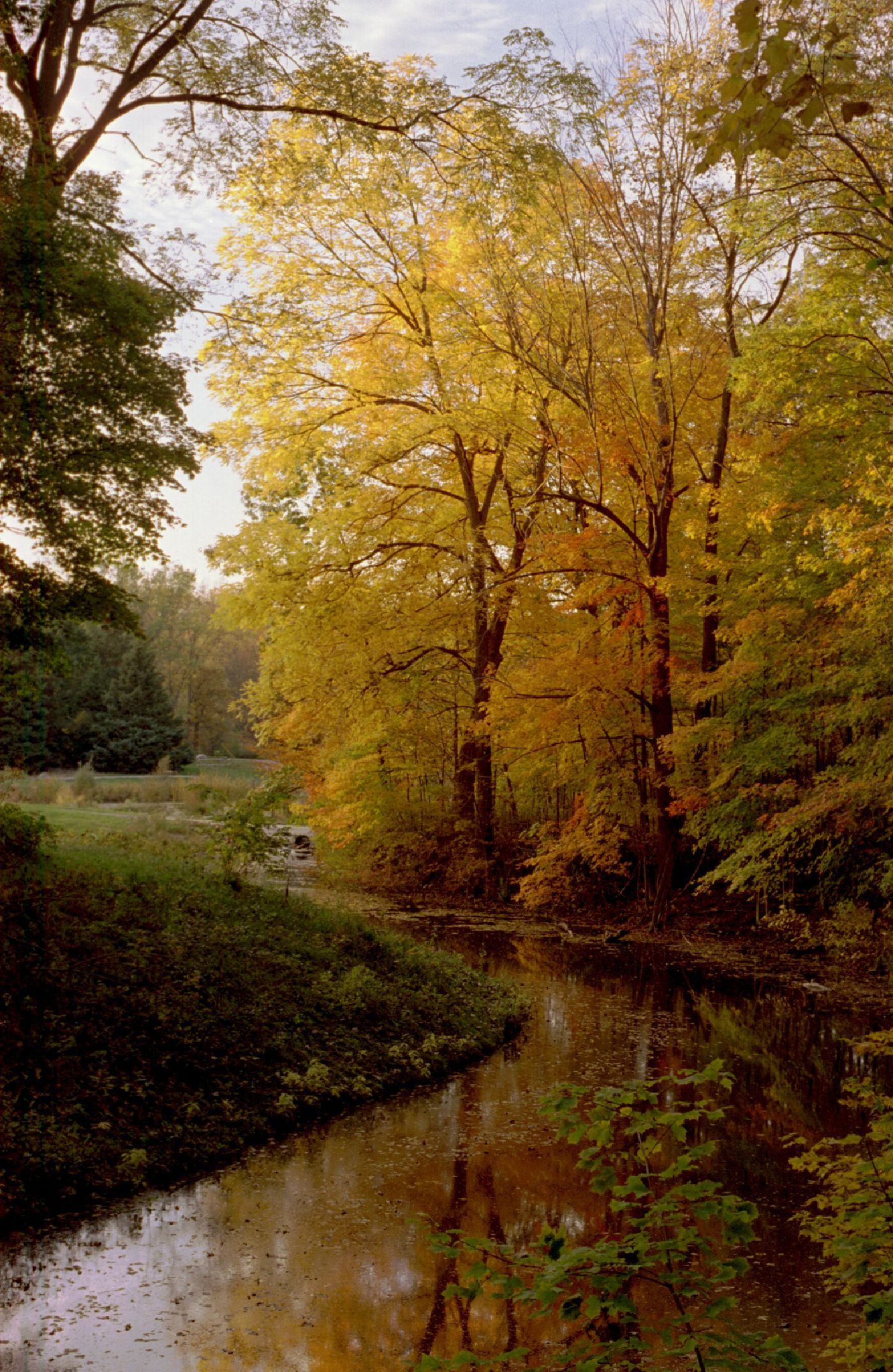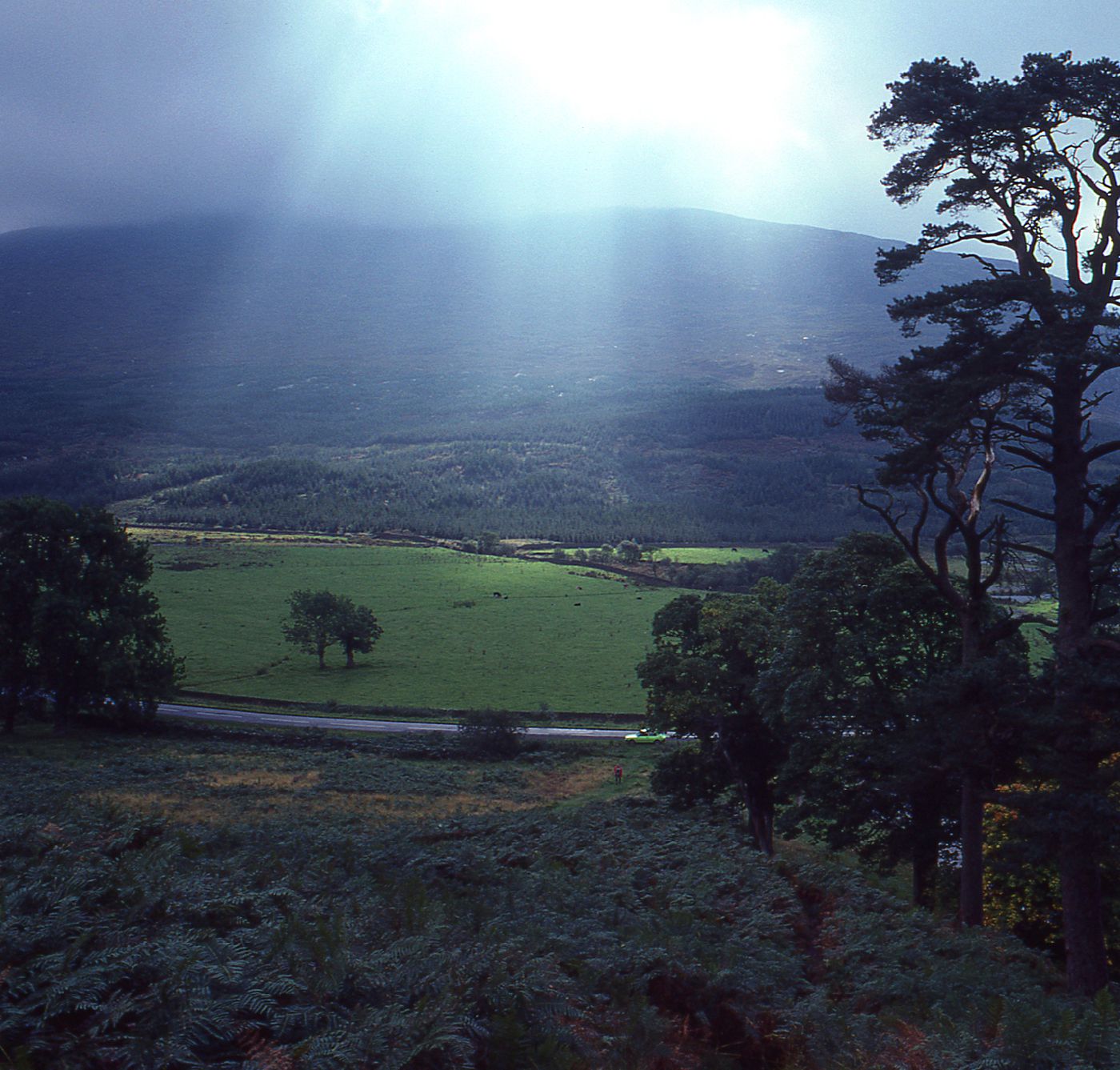
The choice of paper used for each image has long been an artistic choice. But so is the reason for shooting the image in the first place. My reason for shooting color is not to make a conventional art object or to distort reality but to share what I saw.
No print can fully achieve that. The light-to-dark range of a print is a fraction of the gamut the eye can span. But by letting you see into the shadow areas, high-gloss paper comes as close as possible to reality.
That’s why I offer color prints only on bright photographic-sheen paper.
Now, in a world of easy, expected color, black-and-white becomes an artistic choice by its intentional difference from the real, colorful, world. Printing with various tones and paper finishes extends the palette of expressive technique further.
HOWEVER...in my case, black-and-white wasn’t a choice. It was what we had. In college and the Coast Guard, color printing was too expensive and time-consuming for everyday use. We had to produce the best we could.
I offer prints from only a very few of my old black-and-whites, and these only in the styles I feel fit the subject.
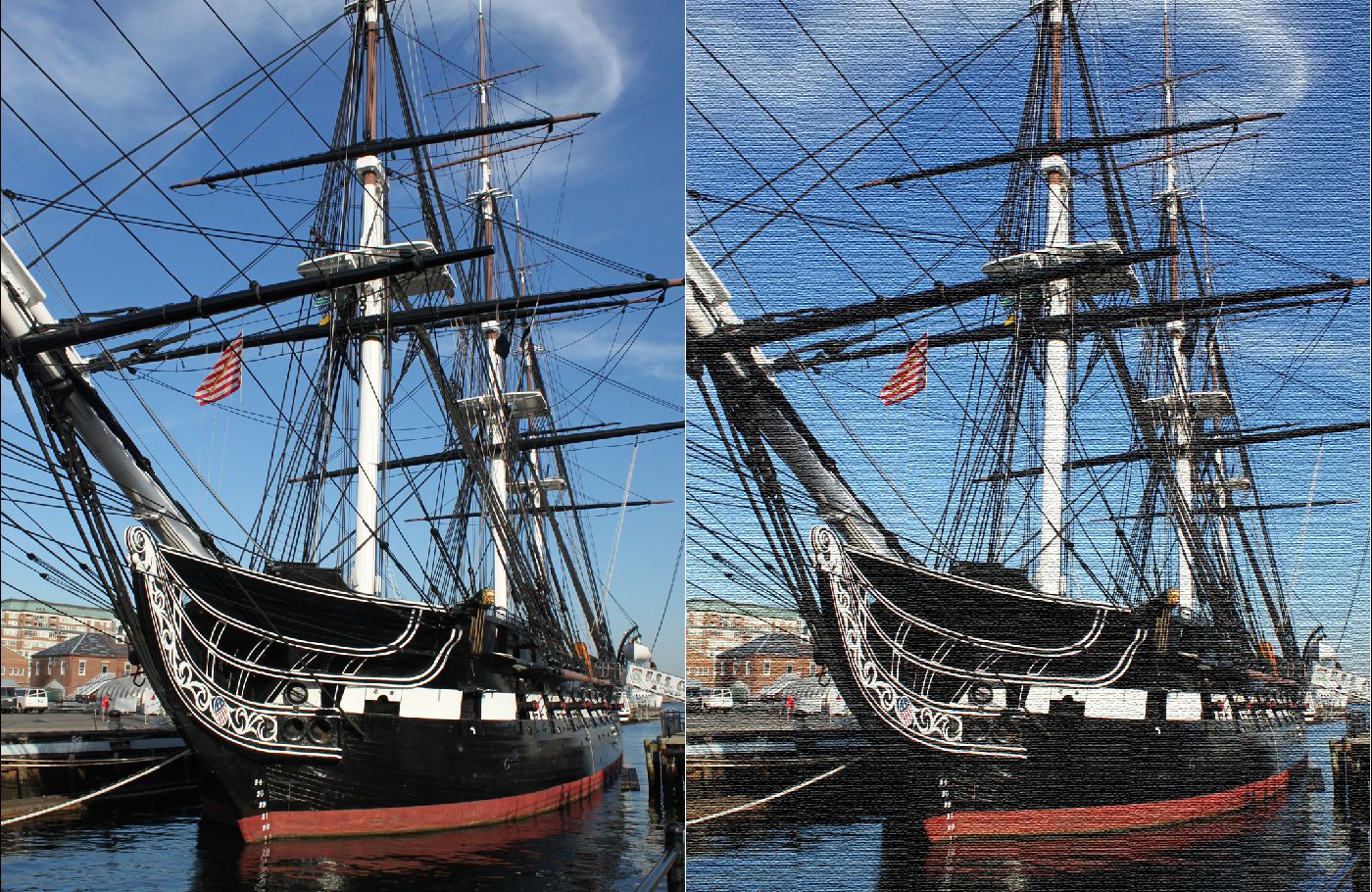
I offer reproductions of my paintings on canvas, but not photographs. As both painter and photographer, I firmly believe that a painting does what the photograph cannot, and the photograph does what the painting cannot. Each makes its own contribution to the viewer’s appreciation of the world. Trying to give photographs the texture of oil paintings robs them of the very qualities – fine-grain, smooth tones and color rendition specific to films, filters and lenses, yes, and paper styles – that give them power.

A purist might insist that a “real” photographic print has to be a silver-gelatin print developed in nasty chemicals. Some will even insist it can only be black-and-white. Such ideas fly in the face of the essence of an evolving art that has always been geeky, by trying to canonize only one of its many technological moments. For my 1980 Scotland series, I chose 35mm Kodachrome 25 transparency (slide) film because it was the finest, highest-dynamic-range color emulsion available. To make gallery-quality prints at that time we had to first make 4 x 5-inch “internegs.”
What we modern purists do is make high-resolution scans of the original camera film and use them to make giclée prints with just as much detail – down to the film grain – and more lasting power than the nasty-chemical versions. I adjust my digital files to maintain the midtone and shadow detail I wanted when taking the original picture.
I use software to get the very same effects I used to get with the geeky tools and tricks of darkroom development and printing. The digital capture hardware and software are no more, and no less, a legitimate part of the photographic process than Ansel Adams’ 8 x 10” view camera, plates and darkroom artistry were for his images. I have an 8 x 10 camera for the fun of it, not for the stuffy purist of it.